 Noboribetsu Bear Park
Visiting Noboribetsu Bear Park with Kids
This is one of the better family outings in southern Hokkaido, and the pricing helps: children three and under go free, four through sixth grade pay ¥1,600 (about $11), and a family of four with young children gets a cable car, close-range animal feeding, a duck race and a museum for under ¥10,000 (about $67). Ninety minutes covers it, which is roughly a small child's attention span for this sort of thing. The things to plan for are practical rather than dramatic; twenty steps before the ticket gate, coins for the bear food, and a winter warning from the park about snow on the paths. Visiting Noboribetsu Bear Park with kids works because the pricing and the ninety-minute format both suit them, and what Noboribetsu Bear Park tickets cost sets out exactly what a family pays.
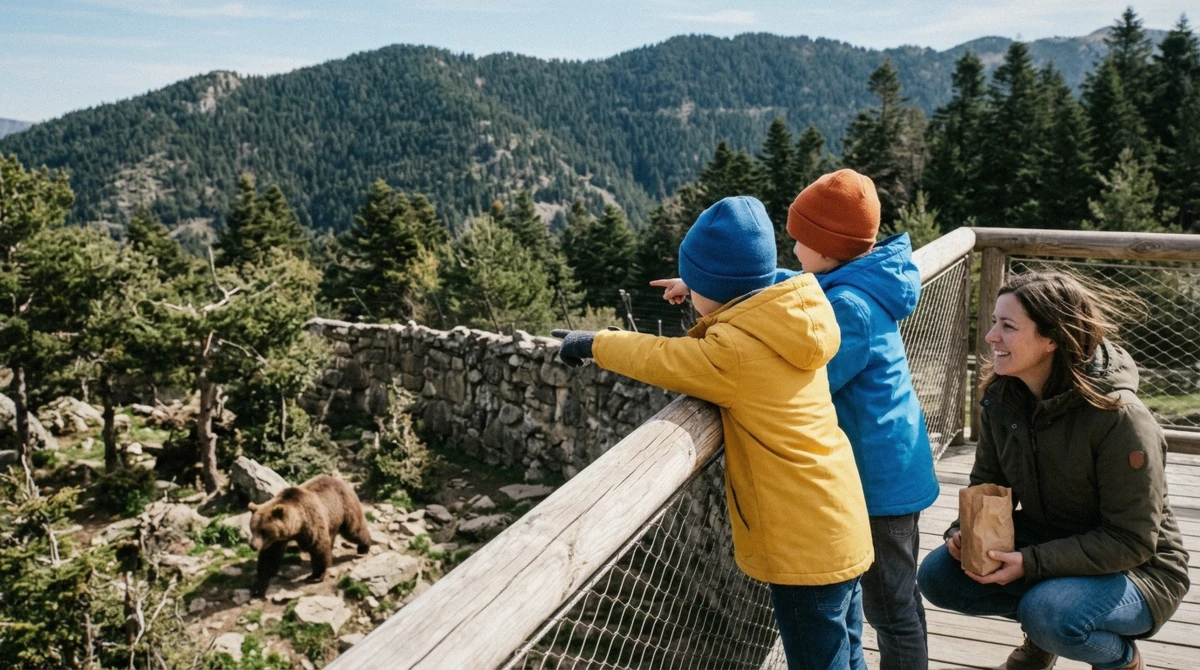
Quick answer What it costs for a family, and the three things to bring
A family of two adults and two primary-age children pays ¥9,600 (about $65) at the gate, ropeway included, and under-threes are free; the ticket detail is here. Bring coins for bear food at ¥200 to ¥500 (roughly $1.50 to $3.50) a packet, because the feeding is the part children actually remember; bring proper footwear, since the summit paths slope and the park warns about snow; and bring an hour of slack, because the Duck Race and the keeper demonstration run on a board rather than continuously. Two strollers are lent free at the summit station and five wheelchairs at the base, but note the twenty steps before the base-station ticket gate. Pair it with the walk to the foot bath and you have a half-day that costs almost nothing extra.
Key takeaways
- Under-threes free; ¥1,600 (about $11) from age four to sixth grade
- A family of four with primary-age children pays about ¥9,600 (about $65)
- Bear food is ¥200 to ¥500 a packet from vending machines; bring coins
- Twenty steps sit before the base-station ticket gate
- Two strollers are lent free at the summit station, five wheelchairs at the base
- Ninety minutes is the realistic visit length for children
What It Costs for a Family
Unusually cheap for what is included, provided you know which bracket each child falls in.
The age brackets
Children three and under enter free. The child rate of ¥1,600 (about $11) runs from age four to the end of elementary school, roughly sixth grade. Junior-high age and above pay the adult ¥3,200 (about $22).
So a family with a toddler and a nine-year-old pays ¥3,200 + ¥3,200 + ¥1,600 = ¥8,000 (about $54) for everyone, including the gondola both ways.
Bear food is the real extra
Packets come from vending machines inside the park at ¥200 to ¥500 each, and no child will accept one packet. Budget ¥1,000 to ¥1,500 (roughly $7 to $10) for a family and carry coins; this is the single most-mentioned thing in the reviews and the moment the visit turns from a zoo into an experience. Reviewers are consistent that the male enclosure is where the bears actually respond.
Food and the rest
There is a restaurant at the summit serving Hokkaido staples including jingisukan, plus a souvenir shop where one reviewer notes postcards printed with life-size bear paw prints for ¥50. Neither is included in the ticket. Free Wi-Fi covers the summit area, which matters more with teenagers than with toddlers.
The Practical Details
Four things that are easier to know beforehand than to discover with a tired child.
The twenty steps
There is a staircase of twenty steps before the ticket gate at the ropeway base station. With a pushchair that is a lift-and-carry, and staff will help if asked at the ticket booth. Free strollers; two of them; are kept at the summit station rather than the base, so if you are travelling with your own, plan on carrying it up those steps or folding it for the gondola.
Timing the events
Bear Athletics, the keeper-led demonstration of how the bears climb and balance, and the Duck Race both run to a schedule posted at the summit station. The Duck Race in particular is the thing families quote in reviews; children pick a duck, and a correct call wins a small prize from the park. Check the board on arrival and shape the ninety minutes around whichever comes first.
How long children last
Ninety minutes is the honest figure; one reviewer puts the maximum at two hours. The enclosures and feeding take up most of it, the Duck Race ten minutes, the Brown Bear Museum twenty if the weather has turned. Yukar Village, where visitors can try on costumes with traditional Ainu patterns, tends to work better with older children than with toddlers.
Winter with small children
The park runs 9:30 to 16:30 with a last ticket at 15:50, and it warns directly that heavy snow makes walking the paths difficult. That is manageable with school-age children in proper boots and harder with a pushchair. If you are visiting in deep winter, staying in the onsen town rather than day-tripping gives you the short winter daylight in the right place, and only one Sapporo tour offers hotel pickup if you are set on a guided day instead.
Building a Family Day Around It
The park is ninety minutes. Here is what fills the rest without a car.
Hell Valley and the foot bath
Fifteen minutes on foot from the ropeway station, free, and the boardwalk across a steaming crater tends to impress children more than adults expect. Carry on twenty minutes to the boiling Oyunuma pond and then down to the natural foot bath in the river, where everyone sits on a bench with their feet in hot water. Bring a small towel. The full walk is here.
The ogre statues
The town leans hard into the hell theme; ogre statues stand along the main street; there is an ogre festival in August, and children find them funnier than the geology. It is a free ten minutes on the way back to the bus stop and a reliable way to end the day well.
Date Jidaimura, if you have transport
A recreated Edo-period village with ninja shows and costumed performers, about ten minutes away by car and awkward without one. It suits children over about six. The private samurai-village day includes its admission and reaches it from Sapporo or Chitose, or the private bear park tour pairs it with the ropeway on the same day.
What a Family Actually Pays
Worked figures at the gate price, ropeway included, before food.
By family shape
The free bracket for under-fours is generous by Japanese attraction standards and it is what makes this outing work with toddlers.
| Family | Ticket total | In dollars | Plus bear food |
|---|---|---|---|
| 2 adults | ¥6,400 | About $43 | ¥400 to ¥1,000 |
| 2 adults, 1 toddler under 4 | ¥6,400 | About $43 | ¥600 to ¥1,500 |
| 2 adults, 2 children aged 4 to 12 | ¥9,600 | About $65 | ¥1,000 to ¥1,500 |
| 2 adults, 1 child, 1 teenager | ¥11,200 | About $76 | ¥1,000 to ¥1,500 |
| 1 adult, 1 child | ¥4,800 | About $32 | ¥400 to ¥1,000 |
What to bring, and why
Short list, and every item on it exists because of something specific about this park rather than general advice.
| Bring | Why |
|---|---|
| ¥1,000 in coins | Bear food vending machines inside the park |
| Boots with grip, in winter | The operator warns heavy snow makes the paths difficult |
| A small towel | For the free foot bath at Oyunuma afterwards |
| A carrier rather than a pram, for babies | Twenty steps before the base-station ticket gate |
| A warm layer more than the town needs | The summit sits at 550 m and runs colder |
| Nothing for Wi-Fi | Free Wi-Fi covers the summit area including the viewpoint |
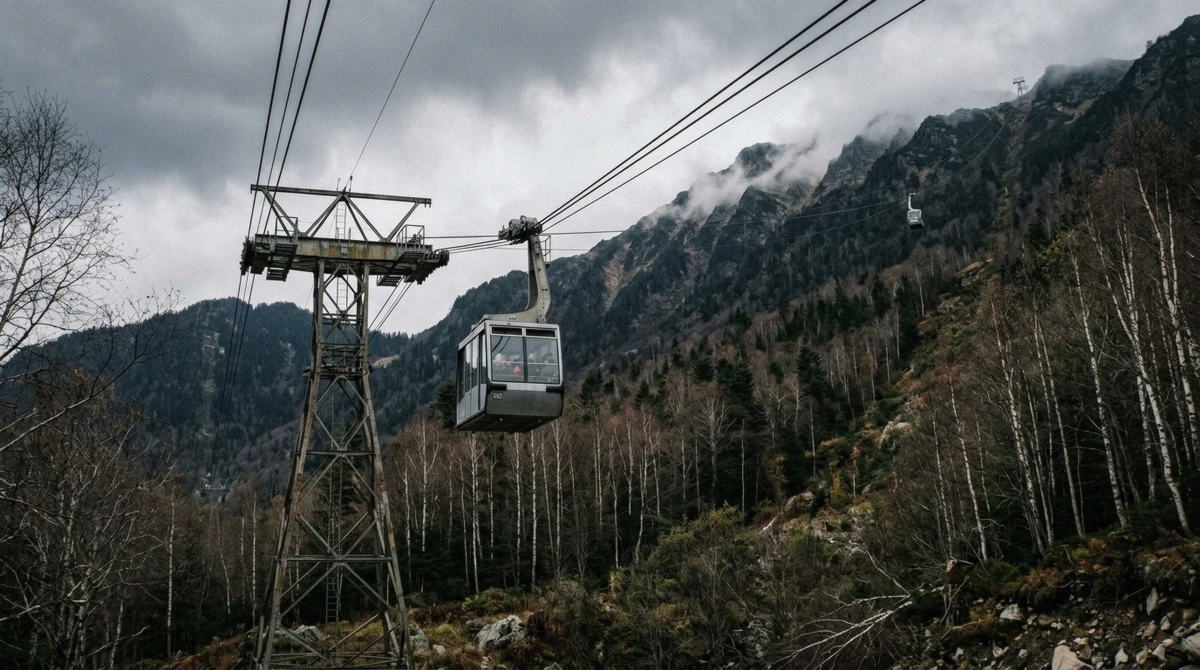
What Works at Which Age
The park holds four attractions and they do not all land the same way with a four-year-old and a twelve-year-old.
Under five
The gondola and the feeding decks, and not much else. Free entry under four makes this an easy yes anyway, but plan for sixty to ninety minutes rather than two hours, and expect the Brown Bear Museum and Yukar Village to be walk-throughs. The Duck Race works at any age because it is short and it involves choosing something.
Bring the carrier for those twenty steps.
Primary school
The sweet spot. Feeding is genuinely exciting at this age, the Bear Athletics demonstration makes sense as a thing keepers do rather than a show, and the museum's material about Ezo brown bears connects to an animal they have just watched. Yukar Village, where visitors can try on Ainu-patterned costumes, tends to work here too.
Ninety minutes is right, and the walk out to Hell Valley and the foot bath afterwards fills the day without a car.
Teenagers
Honestly, mixed. The bears and the ropeway hold up, the duck race is either ironic fun or an eye-roll, and the summit Wi-Fi becomes a feature. What sells the day at this age is usually the wider valley rather than the park itself: the steaming crater, the boiling pond, the free foot bath, and the ogre statues along the town's main street.
If you want to build a fuller day, what Noboribetsu Bear Park tickets cost is on the comparison page alongside the private tour that adds an Edo-period village with ninja shows.
A Family Day That Does Not Need a Car
Everything below is within walking distance of the ropeway base station, which is what makes this town unusually easy with children.
Morning: the mountain
Be at the base station for opening, 9:00 from late April and 9:30 in winter. Seven minutes up, then straight to the first bear enclosure while everyone is still interested. Buy two packets of food immediately rather than rationing them; the queue for the vending machine grows through the morning and the whole visit hinges on this part.
Check the event board on arrival and work backwards from whichever of the Duck Race or Bear Athletics comes first. Ninety minutes covers all of it, museum included.
Midday: the crater and the foot bath
Down the gondola and fifteen minutes on foot to Jigokudani. A raised boardwalk over a steaming crater is an easy sell to children who have just fed a bear, and the walk on to the boiling Oyunuma pond takes another twenty minutes through forest. The natural foot bath in the river below it is free, has benches, and is the moment small legs get rewarded.
Pack one small towel per person. The full route is here.
Afternoon: ogres, or an early bath
The town leans into the hell theme with ogre statues along the main street, which children reliably find funnier than the geology, and there is an ogre festival in August if your dates line up. From there it is either the coach back to Sapporo or, better with young children, a room in the town and an early soak. What Noboribetsu Bear Park tickets cost sits on the comparison page, and if you would rather not manage the transport at all, the one tour that collects you from your Sapporo hotel is the alternative worth pricing.
Family Questions
Is Noboribetsu Bear Park good for young children?
Yes, the cable car; the close-range feeding and the Duck Race all land well with primary-age children, and under-threes enter free. Ninety minutes is about the right length. Toddlers get more from the bears and the duck race than from the museum or the Ainu village.
How much do children pay?
Free under four; ¥1,600 (about $11) from age four to the end of elementary school; the adult ¥3,200 from junior-high age. The ropeway is included in all of those. Full ticket detail here.
Can you take a pushchair?
Yes, but there are twenty steps before the base-station ticket gate and you will need to fold it for the gondola. Two strollers are lent free at the summit station. Staff will help at the base if you ask at the ticket booth.
How much is the bear food?
¥200 to ¥500 (roughly $1.50 to $3.50) a packet from vending machines inside the park, and it is not part of the admission. Bring coins; a family will get through several packets, and the feeding is the part children remember.
Is there anywhere to eat?
A restaurant at the summit serving Hokkaido dishes including jingisukan, plus vending machines and a souvenir shop. Nothing is included in the ticket, and the onsen town below has more choice if you would rather eat after.
Is it too cold in winter for kids?
Manageable with proper boots and layers; the bears are out and the snow is part of the appeal, but the park warns that heavy snow makes the paths hard going, which is real with a pushchair. Winter hours are shorter too: last ticket 15:50.