 Noboribetsu Bear Park
Is Noboribetsu Bear Park Worth Visiting?
Yes, if you are travelling with children, already staying in Noboribetsu Onsen, or want to see Hokkaido's Ezo brown bears at close range for the price of a cinema ticket and a gondola ride. No, if you were hoping to see bears in the wild, those live in Shiretoko, on the far side of the island, and no cable car above a spa town will deliver them. Almost every disappointed review of this park traces back to that one misunderstanding. Below: what the ¥3,200 (about $22) actually buys, who it suits, where it falls short, and how it compares to the alternatives you could spend the same day and money on. Which of those two travellers you are decides whether Noboribetsu Bear Park worth visiting is a yes or a no for you, and it comes down to which of those two travellers you are, and Noboribetsu Bear Park tickets and tours lays out what each option costs before you decide.
Quick answer The one-line verdict, and the group who should skip it
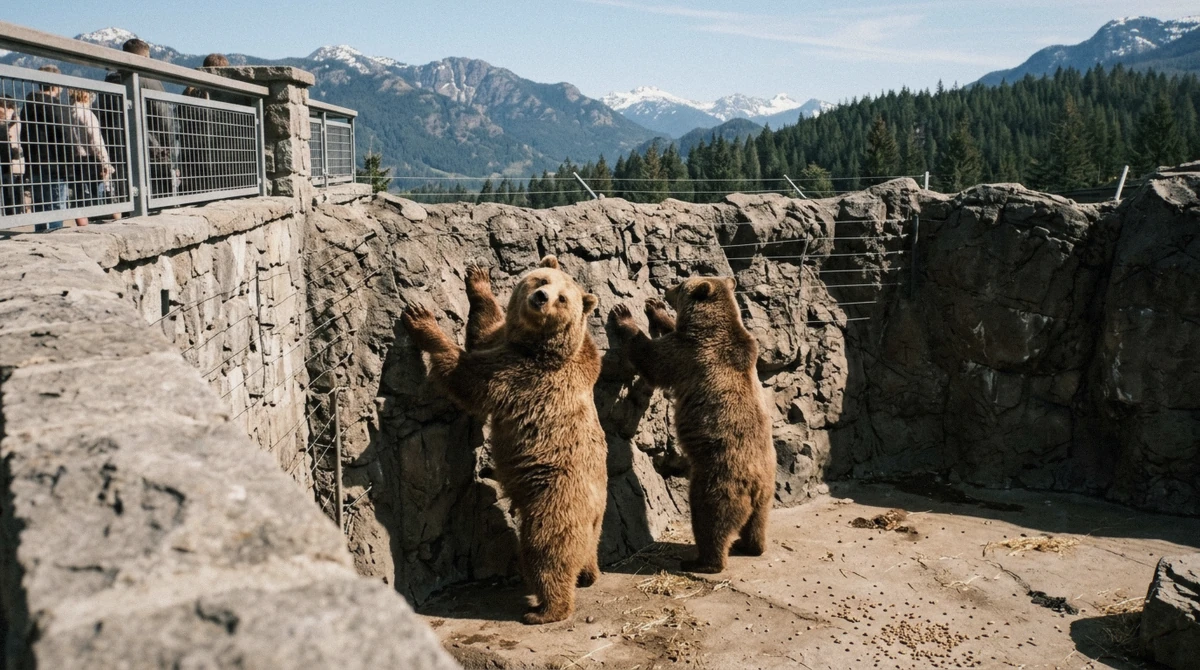
Worth it for families, first-time Hokkaido visitors and anyone with a night booked in the onsen town: ¥3,200 (about $22) buys a ropeway ride, roughly seventy Ezo brown bears at feeding-deck range, a brown bear museum, an Ainu village and a caldera-lake viewpoint, and most people are happy in about ninety minutes. Not worth it if you want wild bears, if you dislike captive-animal attractions on principle, or if the weather has closed in; the Lake Kuttara view is a quarter of what you are paying for and cloud removes it entirely. Book the admission ticket only once your date is firm, because it is non-refundable, and if you are still deciding between this and a guided day out of Sapporo, the comparison table shows which tours go where.
Key takeaways
- ¥3,200 (about $22) covers the ropeway, the bears, a museum, an Ainu village and a lake viewpoint
- Ninety minutes is the honest visit length; two hours is the maximum most people need
- Under-threes free, ¥1,600 for ages four to sixth grade
- Cloud removes the Lake Kuttara view, which is a quarter of what the ticket buys
- Wild-bear hopes belong in Shiretoko, not on a gondola above a spa town
What ¥3,200 Actually Buys
Four attractions and a cable car, which is unusual value at Japanese attraction prices, but only if you use all four.
The bears, at genuinely close range
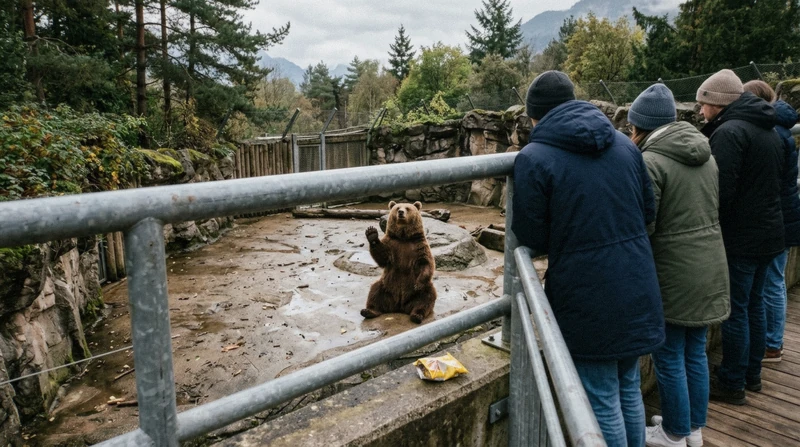
Around seventy Ezo brown bears; Ursus arctos lasiotus, the Hokkaido subspecies and the largest land animal in Japan; live in the park's enclosures. Visitors watch from raised decks and feed them with packets bought from vending machines inside at ¥200 to ¥500 (roughly $1.50 to $3.50). Reviewers are consistent about two things: the male enclosure is the animated one, where bears sit up and raise a paw to ask, and there is a glassed observation box that puts you at their level rather than above them.
That proximity is the reason people come, and it delivers.
Two events that cost nothing extra
Bear Athletics is a keeper-led demonstration of how the animals climb and balance. The Duck Race is exactly what it sounds like; pick a duck, watch it race, win park goods if you called it right, and it is the thing families quote back in reviews more than anything else. Neither runs continuously, so check the board at the summit station when you arrive rather than assuming you will catch them.
The museum, the Ainu village and the lake
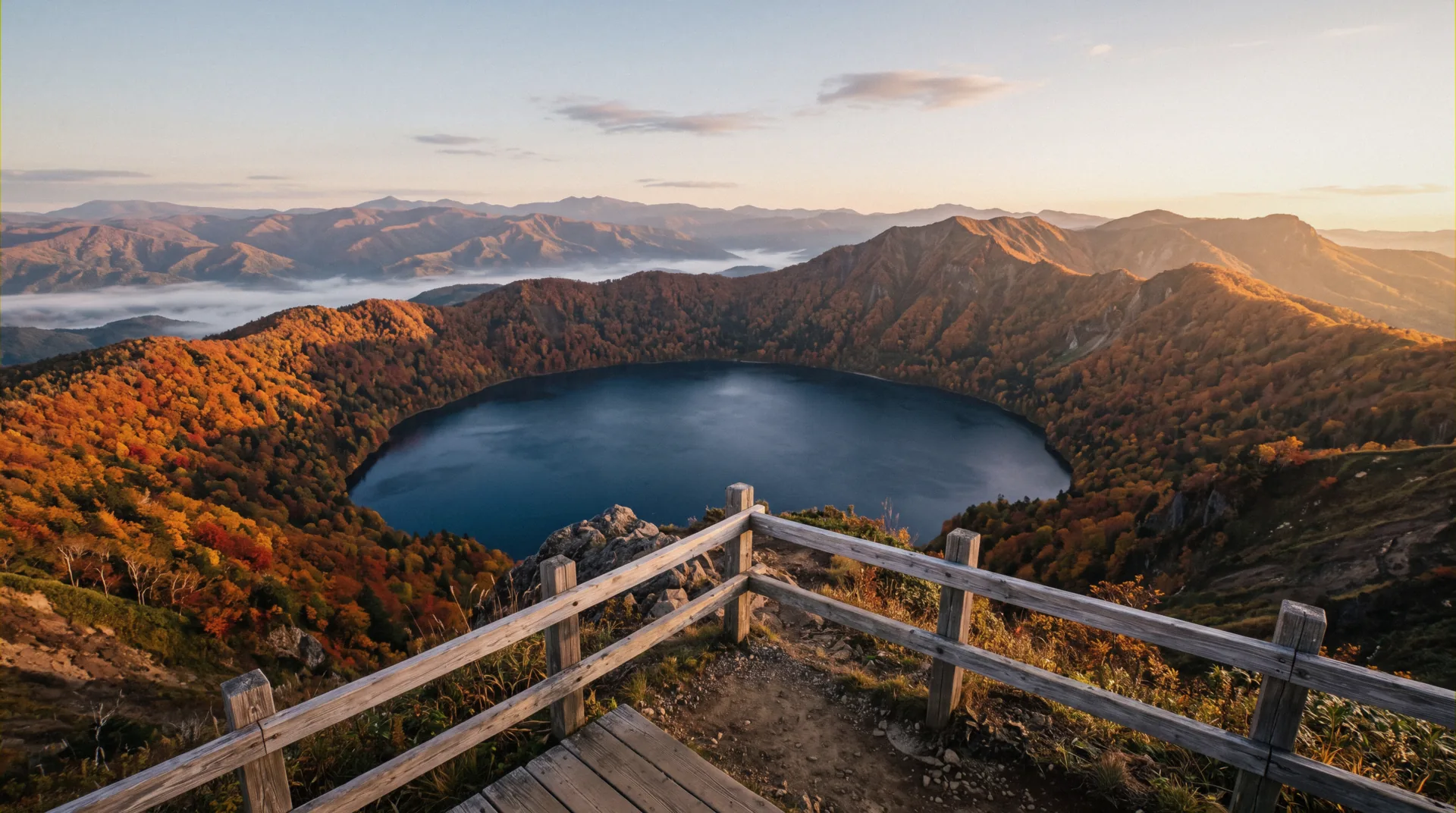
The Brown Bear Museum sits below the observation deck and is, by the park's own claim, the only museum in the world devoted to brown bears; twenty minutes, and genuinely useful if the weather has turned. Yukar Village recreates an Ainu kotan and lets visitors try on costumes with traditional Ainu patterns. The Lake Kuttara Observatory looks down on a near-circular caldera lake whose water clarity is measured in the tens of metres; on a clear day it is the best thing on the mountain, and free Wi-Fi reaches the deck.
And the ropeway itself
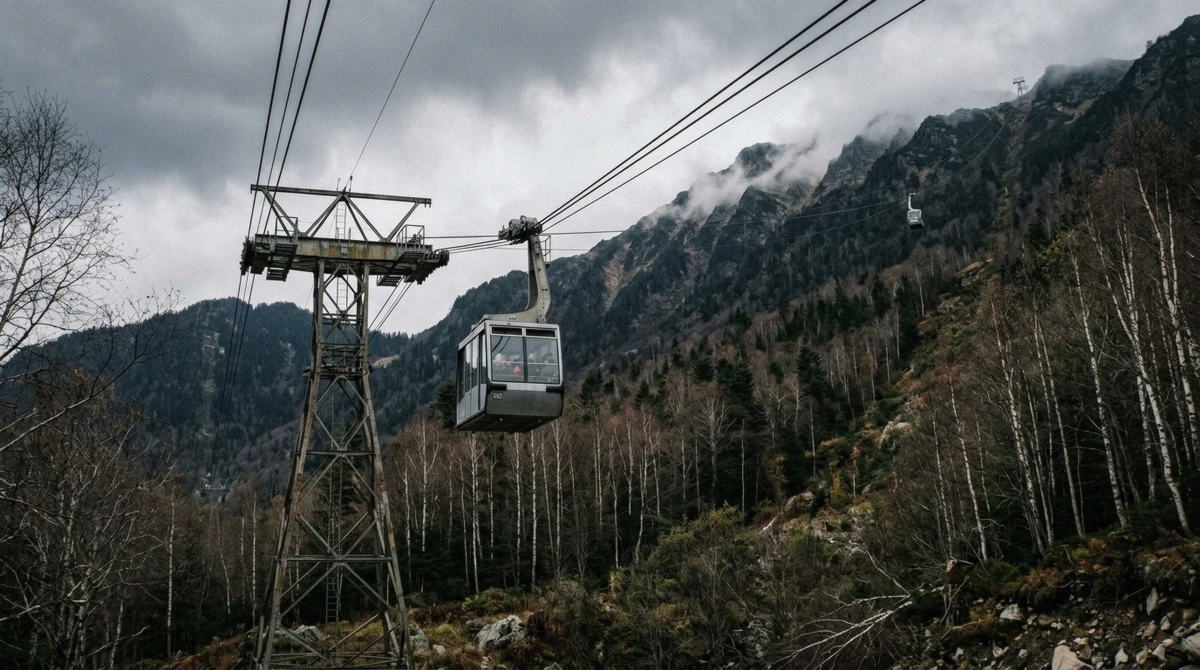
Seven minutes from the middle of the hot-spring town to a 550-metre summit, over birch forest, with the Pacific opening up behind you on a clear day. There is no road for visitors, so the gondola is not an add-on; it is the only way in, and its fare is the admission. Anywhere else in Japan a mountain cable car of that length would cost most of ¥3,200 on its own.
Who Gets Value and Who Does Not
The reviews split into two predictable groups. Working out which one you are in beforehand is the whole trick.
Families with children: the strongest case
Children three and under enter free and the child rate is ¥1,600 (about $11) to the end of elementary school, so a family of four with young children pays under ¥10,000 (about $67) for half a day that includes a cable car, animal feeding and a duck race. Very little else in Hokkaido offers that combination at that price. Our guide to visiting with children covers the practicalities; stroller loan, the steps at the base station, and where to time the events.
Anyone already staying in Noboribetsu Onsen
If you have a ryokan booked; the ropeway base station is a short walk from your door and the park becomes a natural morning before check-out; no transport, no timetable. Combined with Jigokudani, Oyunuma and the natural foot bath, all within walking distance; it makes a full and genuinely varied day. Where to stay is covered here.
Travellers hoping for wild bears: skip it
This is the group who write the bad reviews, and their disappointment is real rather than unreasonable, they came for something the park never offered. Hokkaido genuinely has a large wild brown bear population, and seeing them is a proper trip in itself: boat cruises and guided walks in Shiretoko on the eastern peninsula, several hours and a different itinerary from anything around Noboribetsu. Booking a gondola above a spa town and hoping for that is the mistake.
People uneasy about captive-animal attractions
Worth being direct. The bears live in concrete-and-rock enclosures and are fed by visitors from above, which some travellers find uncomfortable and others do not think twice about. The park frames the feeding as part of its education programme alongside the museum and the keeper demonstrations.
If enclosure-based animal attractions are not for you, the day trips to Hell Valley and Lake Toya cover the volcanic scenery with no animal stop at all, and one route has none whatsoever.
The Three Complaints That Recur
Read enough reviews and the same three things come up. Two are avoidable and one is not.
Cloud takes the view away
Several reviewers describe arriving in drizzle or snow and losing the Lake Kuttara viewpoint entirely, a quarter of what the ticket covers, gone. The bears are outdoors year-round and unbothered, so a grey day is not a wasted trip, but if the caldera view matters to you, check the forecast before fixing your date. Avoidable, and worth knowing that the online ticket is non-refundable while the counter is not.
The park is smaller than expected
Two hours is the maximum most visitors need and ninety minutes is typical, which surprises people who blocked out a full day. That is not really a fault; it is a mountain-top park, not a safari, but it does mean you should plan something else around it. Hell Valley on foot is fifteen minutes from the base station and fills the rest of the morning.
The bears are not always performing
The female enclosure in particular is described as quiet, with the animals asleep or indifferent while the males in the first ranch do the begging that ends up in everyone's photos. Feeding time and the keeper demonstrations concentrate the activity, so arriving in the morning and checking the event board is the practical fix. This is the unavoidable one: they are animals, not a show, and some days they are simply not interested.
What Else the Same Day and Money Buys
Three honest alternatives, depending on what you actually want out of the day.
A guided day trip from Sapporo instead
For roughly $44 to $63 a coach will take you to Hell Valley, Lake Toya and a viewpoint or two, with a guide and no planning. It will not take you to this park; every group coach visits Showa Shinzan Bear Ranch beside Lake Toya instead, a separate facility at about ¥1,000. If a bear is a bear to you, the tour that includes that entry in its fare is the efficient version.
The park plus the whole valley, independently
The direct highway bus from Sapporo is ¥2,500 to ¥2,800 (roughly $17 to $19) each way and drops you in the onsen town. Round trip plus the ¥3,200 ticket is around ¥8,200 (about $55), the same as a coach seat, and buys you the park, Hell Valley, Oyunuma, the foot bath and your own timings. Getting there is covered in full here.
Neither: the volcano route
If the honest answer is that you want scenery rather than animals, the bus tour with the Usuzan Ropeway and lunch included puts you on a live volcano crater rim and a hundred-metre Pacific cliff head for $58 with no bear stop at all. It is a better day for that traveller than any amount of arguing about whether the bear park is worth it.
What the Ticket Includes, and What It Does Not
Half the arguments about value here come from people comparing the admission price against a zoo ticket without noticing the cable car is inside it.
Inside and outside the fare
The line that surprises people is the ropeway. Anywhere else in Japan a mountain cable car of that length is its own ticket, and here it is the admission.
| Item | In the ticket? | What it costs otherwise |
|---|---|---|
| Return ropeway ride | Yes | No separate fare exists |
| Bear enclosures and feeding decks | Yes | Entry only |
| Brown Bear Museum | Yes | No separate fee |
| Yukar Village (Ainu kotan) | Yes | No separate fee |
| Lake Kuttara Observatory | Yes | No separate fee |
| Bear food | No | ¥200 to ¥500 (about $1.50 to $3.50) a packet |
| Meals at the summit restaurant | No | Own expense |
| Transport to Noboribetsu Onsen | No | ¥2,500 to ¥4,890 each way from Sapporo |
Against the other bear facility
The comparison travellers actually need is not against a zoo; it is against Showa Shinzan Bear Ranch beside Lake Toya, which is what every Sapporo coach visits instead. Three times the price buys three more attractions and a mountain.
| Noboribetsu Bear Park | Showa Shinzan Bear Ranch | |
|---|---|---|
| Adult price | ¥3,200 (about $22) | About ¥1,000 (about $7) |
| Ropeway included | Yes, 7 minutes | No ropeway |
| Bears | Around 70 Ezo brown bears | Smaller collection |
| Museum | Brown Bear Museum | None |
| Ainu village | Yukar Village | None |
| Viewpoint | Lake Kuttara caldera | Lake Toya from nearby decks |
| Reached by coach tour | No group tour climbs it | Every Sapporo coach passes it |
What the Reviews Actually Say
Read the verified reviews rather than the blog write-ups and three specific things come up again and again.
The feeding is the memory
Almost every five-star review describes the same moment: a bear sitting up and raising a paw to ask, and a packet of food arcing down from the deck. Reviewers name the male enclosure as the animated one and mention the glassed observation box that puts visitors at ground level. Nobody writes home about the museum.
If you are budgeting, this is where the ¥200 to ¥500 coins matter more than anything else on the mountain.
The duck race outperforms expectations
A low-tech event in which visitors pick a duck, watch it race and win small park goods if they called it right. It appears in review after review, usually with more enthusiasm than the bears themselves get, and it costs nothing extra. Ten minutes, on a posted schedule, and the thing families quote back.
Two hours is the ceiling
One reviewer puts it plainly: total time to be spent is maximum two hours. Others describe an hour or two as the right length while staying in Noboribetsu Onsen. That consistency is useful for planning, because it means the park is one component of a day rather than the day itself.
Pair it with the Hell Valley walk, and if you want the whole valley without rushing, Noboribetsu Bear Park tickets and day tours alongside a night in the town is the version that works best.
Common Questions
Is Noboribetsu Bear Park worth visiting?
For families, first-time Hokkaido visitors and anyone staying in the onsen town, yes; ¥3,200 (about $22) covers a ropeway ride, close-range bear feeding, a museum, an Ainu village and a caldera viewpoint. For anyone hoping to see wild bears, no. That is Shiretoko.
How long do most people spend there?
About ninety minutes, with two hours the practical maximum. Reviewers who set aside a full day consistently say it was more time than the park needed. Pair it with Hell Valley, which is a fifteen-minute walk from the ropeway base station.
Are the bears in cages?
They live in large concrete-and-rock enclosures, watched from raised decks, and are fed by visitors with food bought inside the park. There is also a glassed observation box that puts people at ground level with them. It is a zoo environment, not a reserve; worth knowing before you buy.
Is it good in bad weather?
Partly. The bears, the museum and the Ainu village are all fine in rain or snow; the Lake Kuttara viewpoint is not, and cloud is the most common complaint in reviews. The park also warns that heavy snow makes the paths hard to walk.
Is it better than Showa Shinzan Bear Ranch?
It is bigger, higher, costs about three times as much, and includes the ropeway, a museum and an Ainu village that the Lake Toya ranch does not. Showa Shinzan is cheaper, easier to reach and already on every Sapporo coach route; see which tours visit which.
Do I need to book the ticket in advance?
Only on busy days. The counter takes VISA, JCB, AMEX, UnionPay, WeChat Pay and Alipay, and the online price is not a discount. Book ahead for summer weekends, New Year, or when your schedule has no slack; the full comparison is here.